This article explores shadow work as the process of recognizing the parts of ourselves we’ve hidden or set aside—which often includes our creative identity. Creative integration is what follows: bringing the hidden creative life back into the open so it can exist as part of our everyday experience. That shift isn’t about changing who you are, but becoming whole again. It’s the gentle, ongoing process of allowing your artistic identity to move out of the shadows and into the daylight, where it belongs.
I’ve never not been a writer. The impulse to shape words has lived in me for as long as I can remember, always tied to a deeper creative spirit that insists on being expressed.
And yet for decades I lived as though my writing life belonged over there, while the rest of my life—previously, my job in social services—lived over here.
During those years, I’d spend eight long hours a day with co-workers who often became dear friends. We were doing incredibly hard, intimate work—supporting people in crisis, navigating tangled systems, showing up in moments of heartbreak and resilience. We knew each other well.
And yet many of those people had no idea I was a writer. Was it an impulse to hide? Compartmentalize? Did I just think they wouldn’t care?
It was a painful split. And it created a sense of splintering, as though I was never fully present anywhere. I could do my job well, and I could be a great advocate, co-worker, and friend. But something vital—my creative spirit—was left out of the frame.
What is shadow work?
In Women Who Run With the Wolves, Clarissa Pinkola Estés writes:
“The shadow life occurs when writers, painters, dancers, mothers, seekers, mystics, students, or journeymen stop writing, painting, dancing, mothering, looking, peering, learning, practicing…When the maker stops for whatever reason, the energy that naturally flows to her is diverted underground, where it surfaces whenever and wherever it can. Because a woman feels she cannot in daylight go full-bore at whatever it is she wants, she begins to lead a strange double life, pretending one thing in daylight hours, acting another way when she gets a chance.”
When I encountered that passage, I felt it land in my body first. The “strange double life,” the sense of energy being diverted underground, the pretending: It named how I’d been living.
For many of us, I think our creativity gets tucked away in that shadow life. We don’t stop creating because we don’t care, but because we’ve been worn down. Maybe what we made didn’t receive the recognition we hoped for. Maybe jobs and caregiving take up every ounce of our available energy. Maybe our culture’s fixation on productivity and practicality tells us our particular creative life “doesn’t count.”
Whatever the reason, when we stop making, our artistic identity doesn’t disappear altogether. It goes subterranean. Or it leaks out in sideways places, leaving us incredibly restless. It learns to whisper rather than shout.
The Cost of the Shadow Life
Estés teaches us that living this way—split, secretive, compartmentalized—comes at a cost. We begin to feel hollowed out. Our work and relationships might still matter deeply, but there’s a dissonance humming beneath the surface, dividing us from ourselves.
She goes on to say:
“It is deadly to be without a confidante, without a guide, without even a tiny cheering section.”
When our creativity lies dormant underground, it usually means our support system is missing, too. We don’t speak aloud about this part of who we are or share our artistic longings with anyone. And in that silence and isolation, our creative self atrophies.
I know that hollow feeling well, the one where you’re outwardly fine but inwardly aching, living a life you can technically sustain but that isn’t emotionally whole. The one where you struggle alone without a guide, a cheering section, or a community that understands you.
Toward Integration
The good news—and I mean this, dear reader—is that this experience, no matter how long-term, is not a permanent state. We can learn to weave our creative selves back into our daily lives, moving from shadow to integration and bringing creativity some necessary daylight. And along the way we can find our cheering section, one person at a time.
Though my own path toward integration involved quitting my job and becoming self-employed, integration doesn’t demand that we blow up our lives as we know them. For many people, shadow work and creative integration must begin small. Maybe you practice naming yourself as a creative person, a writer, an artist. Maybe you fold 10 minutes of journaling into your day-to-day rhythms. Maybe you practice talking about your love of art, at work or to your family or friends, rather than tucking it away.
Integration looks different for everyone. But what it always does is move you toward wholeness. Instead of living in fragments, you begin to feel like one person again. Because you are.
Practices for Integration
Here are a few ways I’ve seen people—clients, friends, peers—begin to move from shadow life toward integration:
Name your artistic identity. Notice what happens when you say the thing out loud: “I’m a writer.” “I’m an artist.” “I’m a dancer.” You don’t have to prove it or even believe it right away, but you might spend some time documenting what happens when you try it on.
Focus on what’s small and sustainable. Don’t fall for ideals–a few minutes of journaling a few times a week is a fantastic place to begin. Or maybe you sketch a little while your morning coffee brews. Or sing as you fold the laundry. Small rituals remind your body that creativity is an embedded part of your life, not something that has to exist on a different plane.
Commemorate the moments that matter. Pay attention to joy, breakthroughs, and any moment wherein your creativity feels alive. Mark them. Write them down. Celebrate. You are gathering good data for your brain while reminding yourself that creative joy is possible.
Find one cheerleader. Whether it’s a mentor, a creative friend, or a small online community, find at least one person who will hold you enthusiastically accountable to your creative self. Remember Estés’ words: it is deadly to be without at least one.
An Invitation
Living a whole life means letting our creativity breathe and stretch in the daylight. It means not hiding, pretending, or splintering ourselves into “acceptable” and “unacceptable” parts.
If you’re longing to bring your creative self out of the shadows and into your real life, I’d love to support you in that process. My work as a mentor is about helping people like you build a practice that feels sustainable, integrated, and truly yours. Because your creative spirit belongs here—with you, in the light.
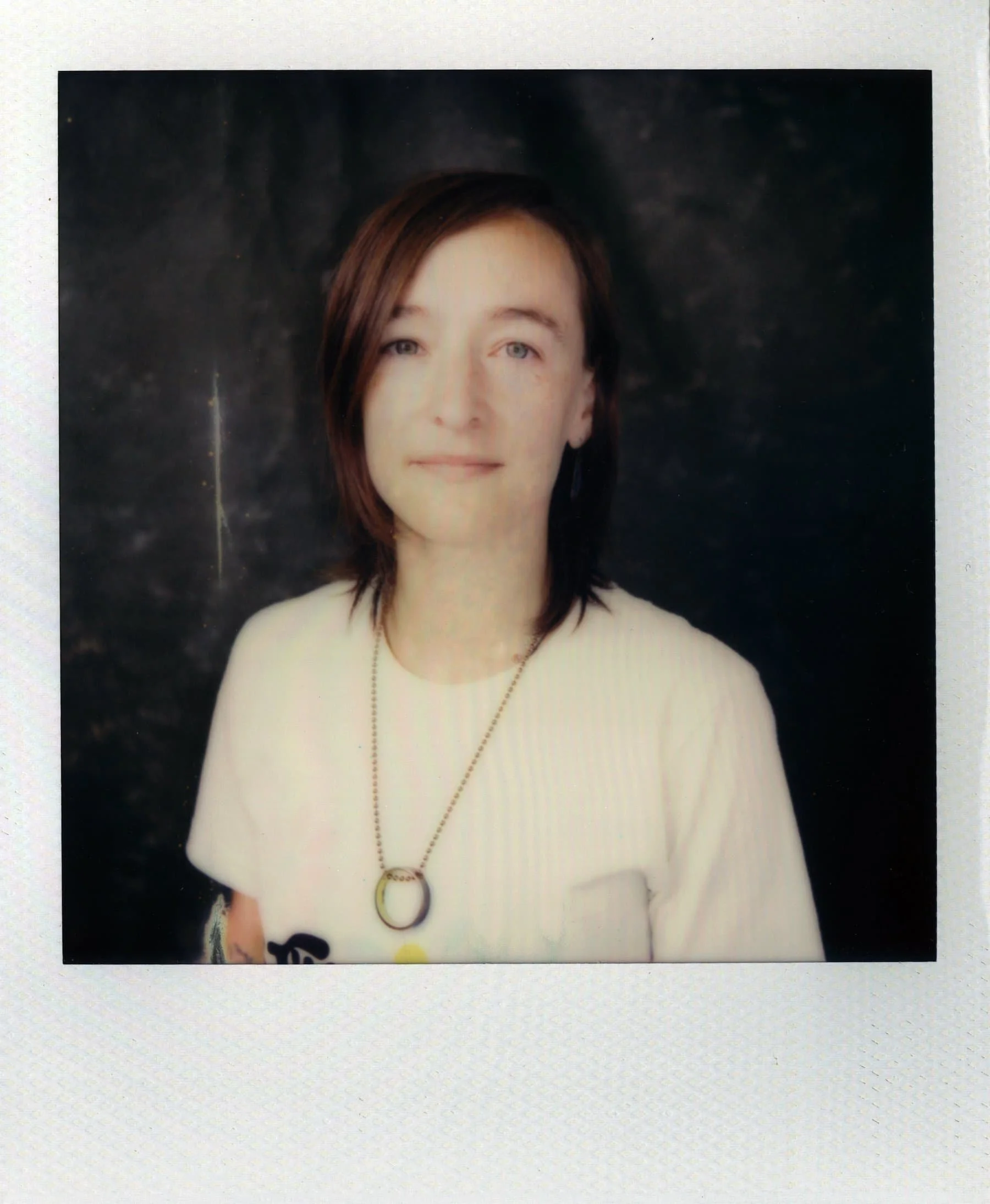
My perspective comes from long-term work as a creative mentor, supporting writers through sustained one-on-one practice. You can learn more about working with me here.